
What do you need help with?
Common:
Newest guides
-

Small, Narrow Laundry Room Ideas That Leave Room to Fold
A laundry room the width of a hallway can still hold a place to sort, hang and fold. Most of the gain comes from using the walls and…
-

What to Wear to a Rehearsal Dinner
Dress one notch below the wedding and match the venue. That rule covers a backyard cookout and a private dining room alike, with a few things worth avoiding…
-
Clothes Moths: The Signs, and How to Get Rid of Them
The moth you see is not the one doing the damage. Here is how to tell clothes moths from the harmless kind, clear them out of a closet…
-
How to Wash Baby Clothes, Before and After the First Wear
Wash everything once before the baby wears it, use a fragrance-free detergent, and skip fabric softener on sleepwear. Most of the rest is ordinary laundry in smaller sizes.
-
November Closet Checklist: What to Wash, Store and Check
November is changeover month. Summer clothes go into storage clean, winter coats come out for an airing, and the half-empty closet gets its one proper moth check of…
-
Smart Casual vs Business Casual: What Each One Means at Work
The two dress codes overlap, and no office defines them the same way. The useful difference comes down to three things, jeans, sneakers and the jacket, plus knowing…
-
This month in the closet
November Closet Checklist: What to Wash, Store and Check
Read this month’s checklist: November Closet Checklist: What to Wash, Store and CheckNovember is changeover month. Summer clothes go into storage clean, winter coats come out for an airing, and the half-empty closet gets its one proper moth check of the year.
Stain first aid
What to do in the first five minutes, before you look anything up.
| Stain | Do this first | Don’t |
|---|---|---|
| Grease or cooking oil | Blot, then work in a drop of dish soap. Full method | Tumble dry before it is gone |
| Red wine | Blot, then rinse with cold water from the back of the fabric | Rub it, or use hot water |
| Coffee or tea | Rinse with cold water from the back, then a little liquid detergent | Let it dry first |
| Blood | Soak in cold water as soon as you can | Use warm or hot water, which sets it |
| Ballpoint ink | Dab with rubbing alcohol on a cloth, paper towel underneath | Scrub outward from the mark |
| Mud | Let it dry fully, brush it off, then wash | Wipe it while it is wet |
Whatever it is: blot, don’t rub, and test anything stronger than water on a hidden seam first.
Read the label
Five symbols turn up on nearly every tag. Learn these and most care labels stop being a puzzle.

Wash cool

No bleach

Tumble low

Iron cool

Dry flat
Worth a read
-
·
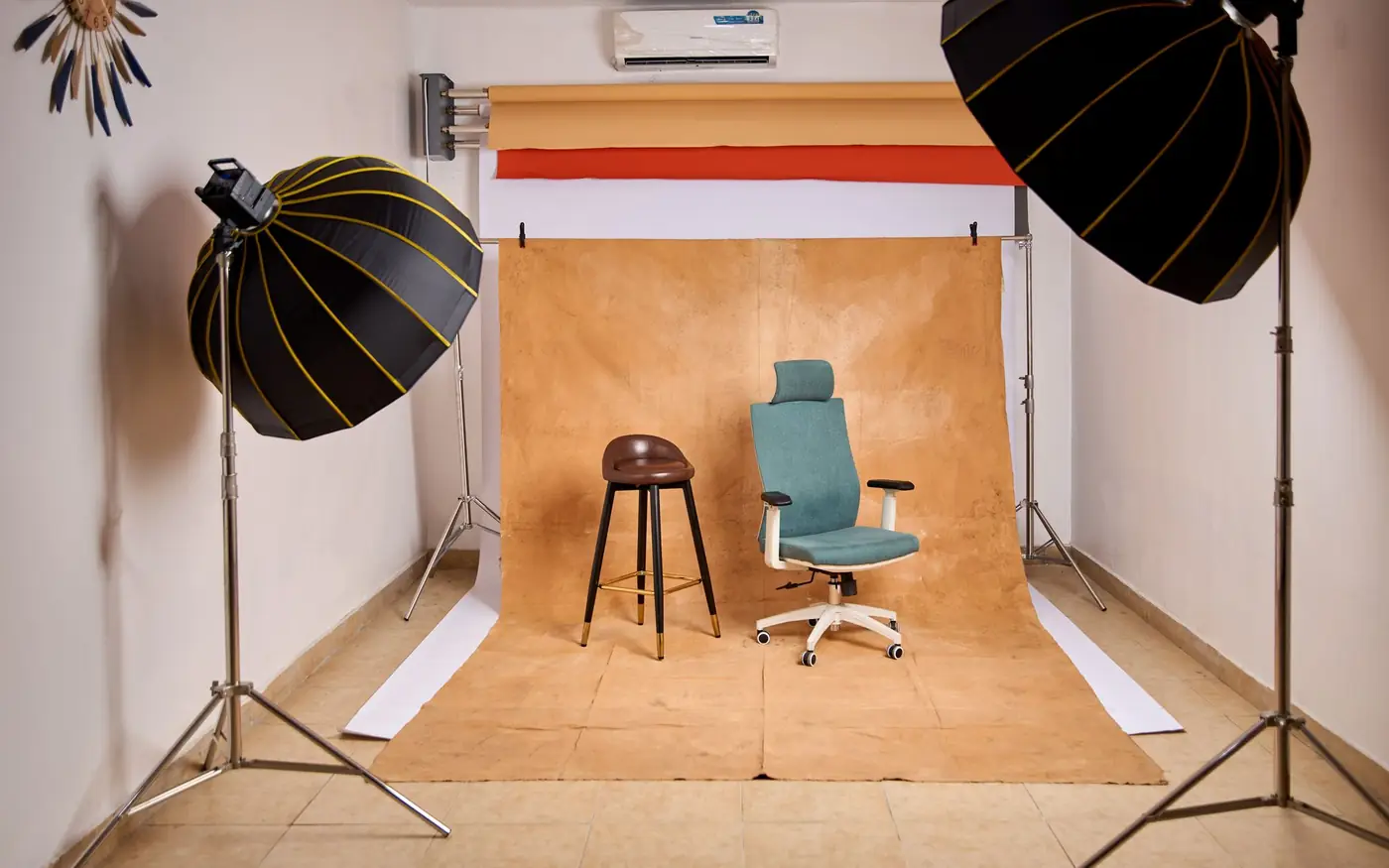
What to Wear for Office Team Headshots
Team photo day at the office, and everyone on the team page has to look like they work at the same firm. What reads well on camera, what to leave at home, and what to bring in a bag.
View more
At a glance
Time: A four minute read
Difficulty: Easy
You need: The firm’s brief, if there is one, and a spare top
The email goes round on a Monday: the photographer is in on Thursday, everyone on the team page gets a new headshot. At a small accounting firm that usually means six to twenty people lined up against the same backdrop, and the photos end up side by side on one page. That’s the part people forget. Your picture isn’t judged alone, it sits in a grid.
So the goal is less “look your best” and more “look like you belong to the same firm as the person next to you”, while still looking like yourself.
Why bother this much? Because the team page gets read. Fewer people pick an accountant out of a directory these days. More often they search for something like “small business accountant” plus their town, open a firm near the top, and go straight to the team page to see who would be handling their tax return. A firm paying for SEO services for accounting firms is paying to get people onto that page, so it makes sense for the faces there to hold up. The same photos often end up on the firm’s Google listing and LinkedIn pages too, so they get seen more than you’d think.
What reads well on camera
Solid, mid-tone colors. Navy, gray, deep green, burgundy, soft blue. They hold up on screens and against most backdrops. Pure white can glare under studio lights and black can lose its shape against a dark background, so we’d keep both for a layer rather than the main piece.
A collar or a clear neckline. Headshots crop at the chest, so the neckline does most of the work. A collared shirt, a blouse with some structure, or a fine knit with a neat crew or V neck all frame the face. A tee on its own usually reads too casual for a firm page.
A jacket, if the firm wears them. A blazer adds shape to the shoulders, which is most of what shows. If half the team wears one and half doesn’t, the grid looks uneven. Ask before the day, or bring one and decide in front of the mirror.
Fabric that doesn’t wrinkle in a car. Wool blends and knits survive the commute. Linen and thin cotton crease at the elbows and across the front.
What to leave at home
- Small, tight patterns like fine stripes, houndstooth and tiny checks. On a camera sensor they can shimmer into a wavy pattern called moiré.
- Big logos and slogans.
- Anything brand new that hasn’t been washed once, since fresh folds from the packaging show.
- Statement jewelry that catches the light. One simple piece is fine.
Matching without a uniform
If the firm hasn’t sent a brief, a short message to the team helps: “Navy, gray or white shirts, jackets on.” Nobody has to match exactly. A shared color family and the same level of formality is enough to make the grid look like one firm.
The bag to bring
A second top in a different color, a lint roller, a small steamer if you own one, and a hanger so the jacket isn’t sitting crumpled in the car. Check the shoulders and collar in a mirror right before your turn. Lint and a folded collar are the two things that show most and get noticed least.
If your work clothes are smart casual rather than business casual, the same rules hold. We cover where that line sits in our guide to smart casual vs business casual.
What this site is
A plain reference for choosing, wearing, looking after and paying for clothes.
01 · Tried at home
Every method is tried on our own clothes before it’s written up.
02 · Nothing for sale
No shop, no sponsors and no paid mentions anywhere on the site.
03 · Mistakes get fixed
If a guide turns out to be wrong, we correct it and say so.
Ask us
Got a stain or a label we haven’t covered?
Tell us the fabric and what happened. We can’t reply to every question one by one, but the ones we can try at home often turn into the next guide.