At a glance
Time: A five minute read
Difficulty: Easy
You need: The invitation or the office policy, if there is one
Nobody hands you a rulebook. An offer letter says “business casual”, a conference invitation says “smart casual”, and you’re left guessing whether your dark jeans count.
Neither term has an official definition, and both have drifted more relaxed over the years. Even the encyclopedia entry on smart casual describes it as ambiguous. What follows is how the two are understood in most American workplaces today.
The short version
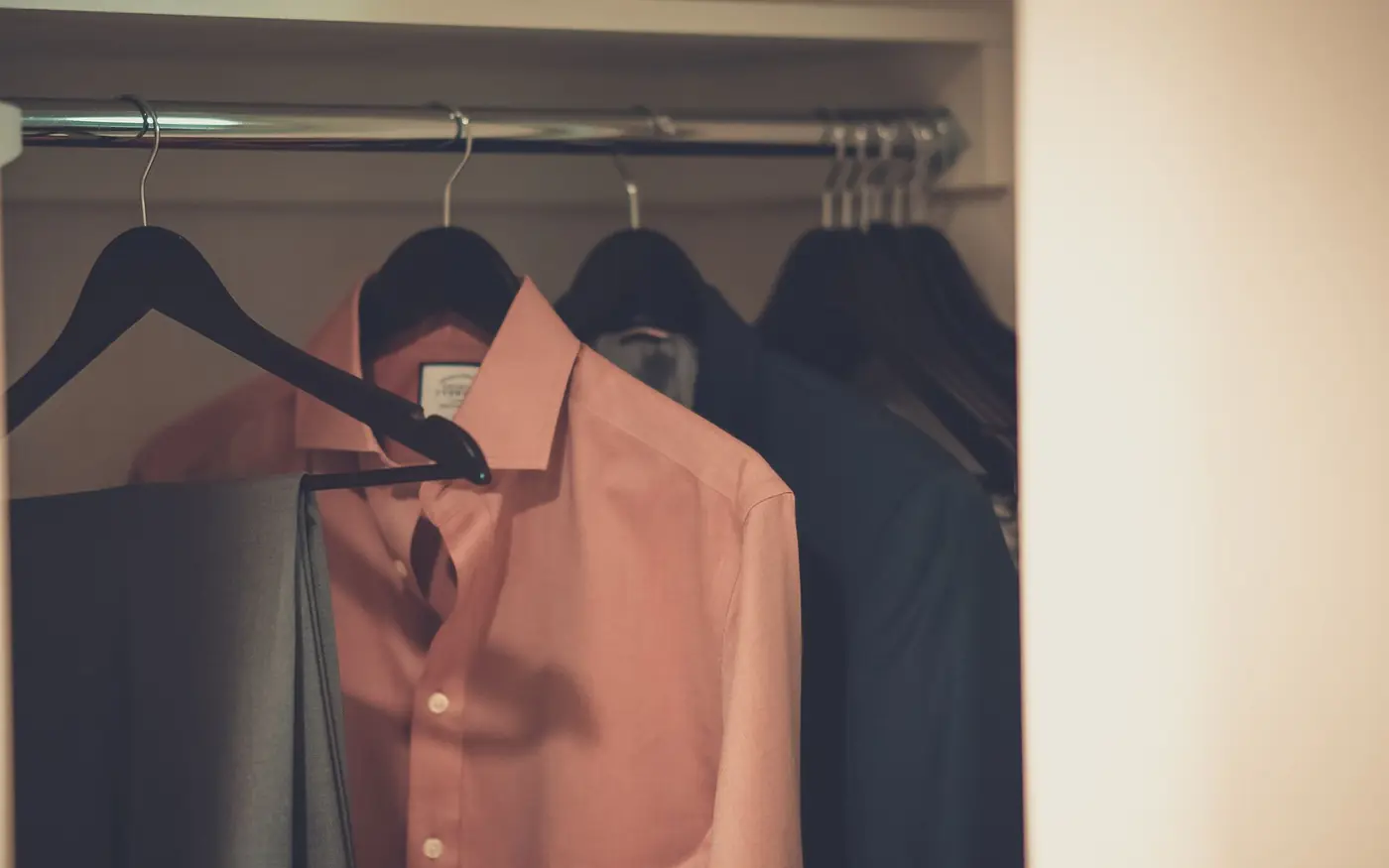
Business casual is office clothing with the suit and tie removed. Smart casual is your own casual clothing, cleaned up.
One starts formal and relaxes. The other starts relaxed and sharpens. They meet in the middle, which is why they get confused.
Side by side
| Business casual | Smart casual | |
|---|---|---|
| Starting point | The office | The weekend, at its neatest |
| Trousers | Chinos, dress pants, a skirt or dress to the knee or below | The same, plus dark jeans with no rips or fading |
| Tops | Collared shirt, blouse, fine knit | Those, plus a plain tee or polo under a jacket |
| Jacket | Optional, and always safe | Often the piece that makes the outfit “smart” |
| Shoes | Loafers, flats, low heels, leather lace-ups | Those, plus clean leather or plain sneakers |
| Tie | No | No |
| Where you see it | Most offices, client meetings, interviews at relaxed firms | Conferences, work dinners, creative and tech offices, Fridays |
The three things that decide it
Jeans. In smart casual, dark jeans in good condition are fine almost everywhere. In business casual, it depends on the office. Many allow them and plenty still don’t. If you haven’t seen a colleague wear them, don’t be the first.
Sneakers. Clean, plain, low-profile sneakers have become normal in smart casual. In business casual they’re still a risk outside tech and creative fields. Running shoes aren’t either one.
The jacket. A blazer over a tee and dark jeans reads as smart casual. The same blazer over a collared shirt and chinos reads as business casual. It’s the easiest piece to add or take off as you read the room, so bring one.
And business professional?
That’s the step above both: a matching suit, a tie for men, closed shoes. Law firms, banking, court, formal interviews. If an invitation says “business attire” with no “casual” after it, this is what it means.
Questions that come up
Is a polo business casual? In most offices, yes, if it’s plain and in good shape. In a more formal office it’s borderline, and a button-down is safer.
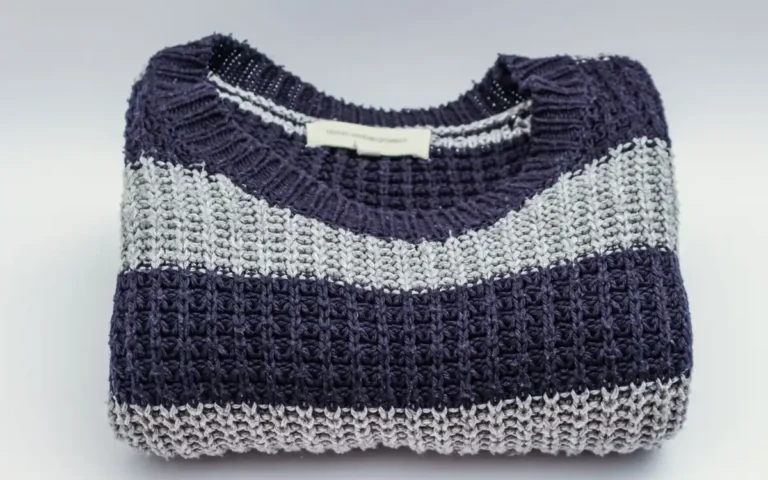
Is a sweater business casual? Yes. A fine-gauge knit over a collared shirt, or on its own, is standard.
Shorts? No to both, with rare exceptions in very hot climates where the office has said so.
Leggings? Under a dress or long tunic in smart casual, often yes. As trousers in business casual, no.
When you can’t tell
Dress one step up for the first day, then adjust. Being a little overdressed on day one costs nothing. You can always take the jacket off.
Look at what the people one level above you wear, not the most casual person in the room. And if a policy exists, it wins. Ask HR or the person who invited you: “Is a jacket expected?” is a normal question, and people would rather answer it than watch you guess.