At a glance
Time: A normal wash cycle
Difficulty: Easy
You need: Fragrance-free detergent, a mesh bag for the tiny things
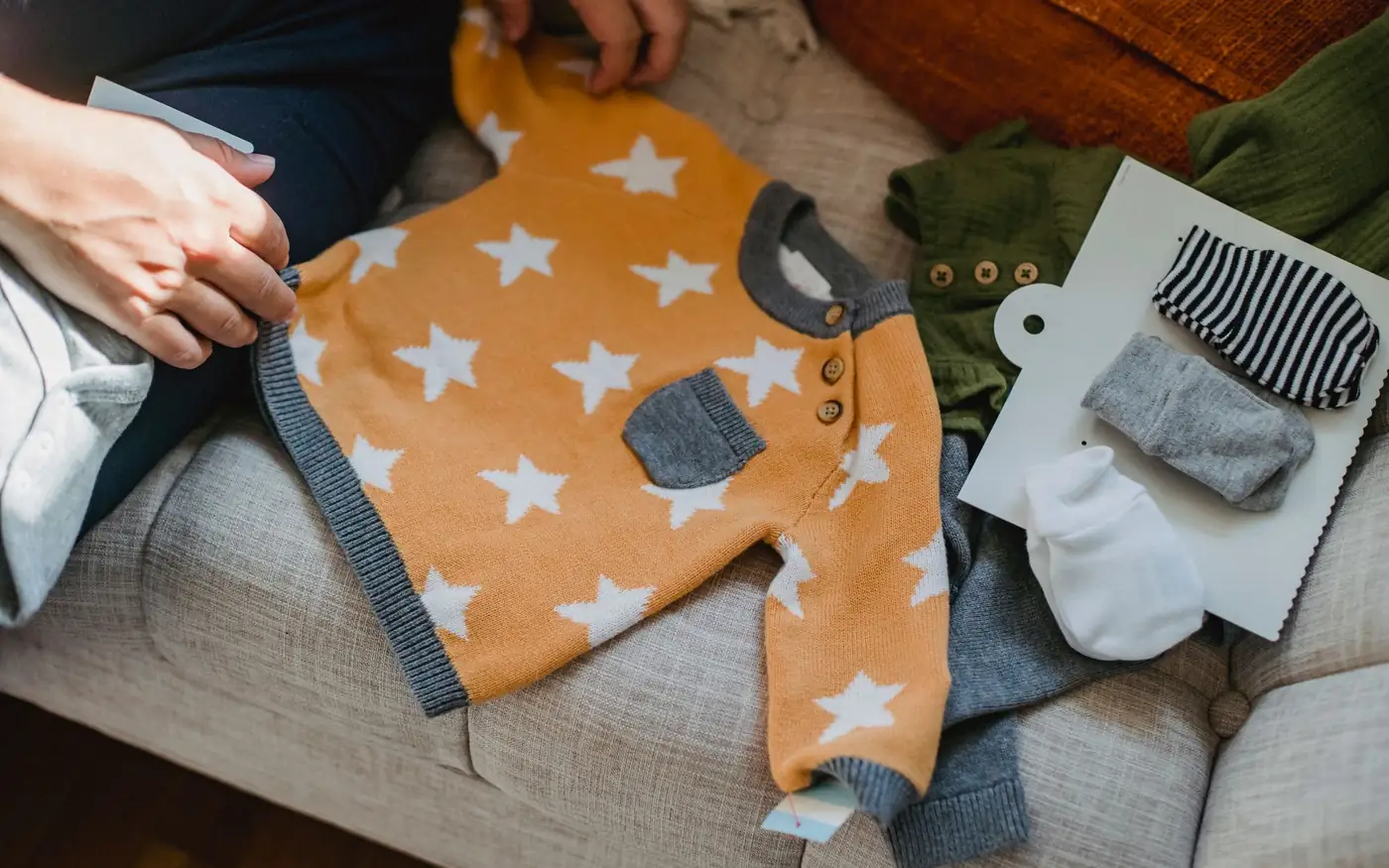
New baby clothes arrive stiff, creased and smelling of the store. Wash them once before they’re worn. Fabrics pick up finishes, dust and other people’s hands on the way from the factory to your drawer, and a newborn’s skin reacts to less than an adult’s does. That goes for hand-me-downs and thrifted pieces too, and for blankets, bibs and crib sheets.
The first wash
- Take off tags, stickers and the plastic fasteners. Check inside sleeves and feet for stray ones.
- Close every snap and zipper so they do not catch on other items.
- Put socks, mittens and anything smaller than your hand in a mesh bag.
- Wash on a gentle or normal cycle in warm water with a fragrance-free, dye-free detergent.
- Tumble dry on low, or line dry.
Which detergent
You don’t need one sold for babies. Any liquid detergent with no added fragrance and no dye does the same job, usually for less. Liquid rinses out more completely than powder, which matters on small, thick seams.
If the baby gets a rash after a change of detergent, switch back and run the clothes through again with an extra rinse. If rashes continue, that’s a question for the pediatrician.
With the family wash or apart?
Once you’re using a mild detergent for everyone, baby clothes can go in with the rest. Many families keep a separate load for the first months only because the sheer number of small items makes it easier to find them.
Keep cloth diapers and anything heavily soiled in their own hot load.
Skip the softener
Fabric softener and dryer sheets leave a coating on fibers. On children’s sleepwear that’s sold as flame resistant, that coating can reduce the protection, which is why the care label on those pajamas says not to use it. It also makes towels and burp cloths less absorbent. We leave softener out of every load with baby items in it.
Stains you will meet
Spit-up and milk. Rinse with cold water as soon as you can. Protein stains set in heat, so never start with hot. Then wash as normal.
Diaper blowouts. Scrape or rinse off what you can under cold running water, from the back of the fabric. Rub in a little liquid detergent or an enzyme stain remover, leave it 15 minutes, and wash warm. If a yellow shadow remains, lay the damp item in direct sun for a few hours. Sunlight fades this kind of stain better than anything in a bottle.
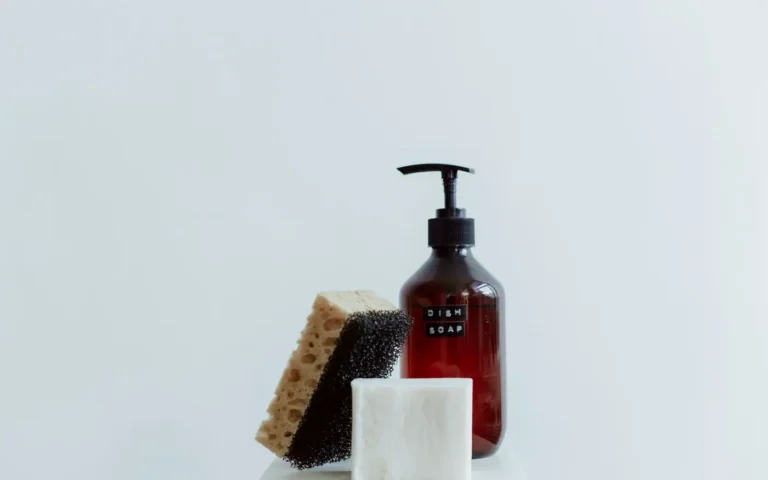
Baby oil and diaper cream. These are grease. A drop of dish soap worked into the spot before washing lifts most of it.
Check that a stain is gone before the dryer, the same as with any other laundry.
How often, and how hot
Wash clothes after each wear in the newborn months. They’ll need it.
Warm water is right for everyday loads. Use hot for diapers, for anything that met a stomach bug, and for bedding after an illness. Cold works for lightly worn outer layers and saves the colors.
Before you store outgrown clothes
Wash and fully dry everything first. A faint milk stain you can’t see now will turn yellow in a box over a year. Sort by size, label the bin, and it’s ready for the next baby or the next family.