At a glance
Time: 45 minutes, then a day to dry
Difficulty: Easy
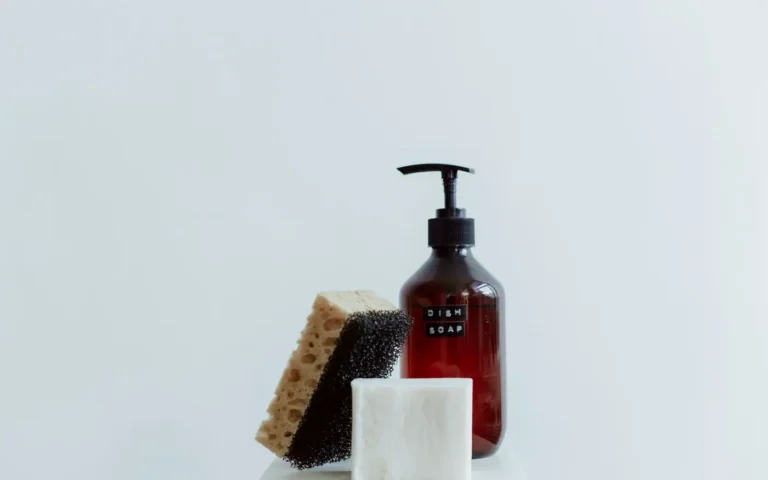
You need: Hair conditioner, two towels, a flat surface
Wool shrinks in two different ways, and only one of them can be undone.
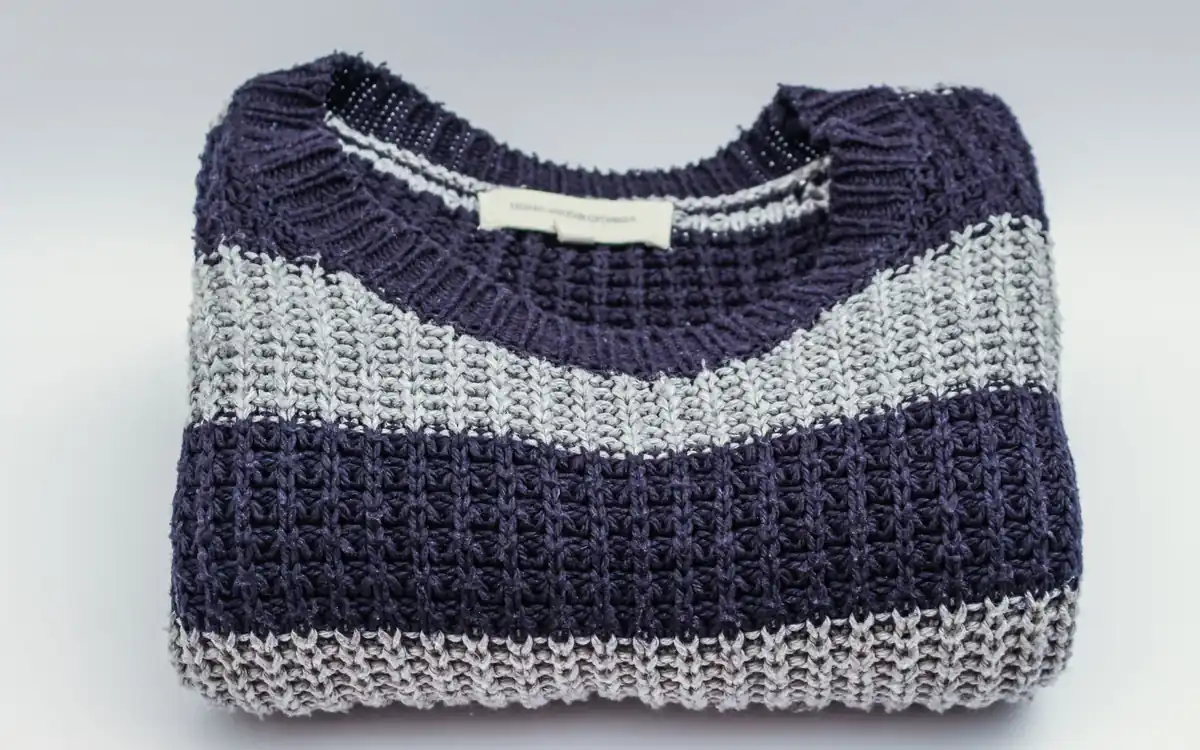
In the mild kind, the fibers have tightened up and pulled closer together. The sweater is smaller but still feels like knitting: you can see the stitches and it still stretches. That can be relaxed.
In the bad kind, heat and agitation have locked the scales on the fibers together into felt. The fabric is thick, stiff and dense, and the stitches have blurred into a solid surface. Nothing reverses that. If your sweater now stands up on its own, it has a future as a cushion cover or a pair of mittens.
We ran four methods on thrifted wool sweaters that we shrank on purpose: a warm wash to get the mild kind, and a hot wash with a hot dry to get felt.
What we tried
Hair conditioner soak. Conditioner coats the fibers and lets them slide past each other. This was the best of the four. A lightly shrunk merino crewneck gained back most of what it had lost in the body and about an inch in each sleeve.
Baby shampoo soak. Close behind. It relaxed the wool nearly as well and rinsed out more easily, but the sweater felt a little less soft afterward.
Vinegar and water. One part white vinegar to two parts water. It loosened the knit about as much as shampoo did. The smell hung around until the sweater had aired for two days.
Steam and stretch. We held a steamer over the dry sweater and pulled gently. It helped a little at the cuffs and hem and did almost nothing for the body.
On the felted sweaters, none of the four made a difference you could measure.
The method that worked
- Fill a sink or basin with lukewarm water. Not hot, which is what caused the problem.
- Stir in about a quarter cup of hair conditioner until it dissolves.
- Lay the sweater in and press it under. Leave it for 30 minutes. Do not swish or rub.
- Drain the sink and press the water out against the side of the basin. Do not wring and do not rinse.
- Lay the sweater on a dry towel, roll the towel up and press on it to take out more water.
- Move the sweater to a second dry towel on a flat surface.
- Stretch it gently back toward its old shape, a little at a time, working around the body, then the sleeves, then the length. Use another sweater that fits as a guide.
- Pin the edges to the towel, or weigh them down with something clean, so it holds the shape while it dries.
- Leave it flat for a full day, away from heat.
Go slowly at step seven. Wet wool is weak. Pull too hard in one place and you’ll get a stretched patch that doesn’t match the rest.
What to expect
You’re likely to get back most of a mild shrink, not all of it. Sleeves and length come back more easily than width across the shoulders. If the sweater was a close fit before, it may end up wearable but snug.
Be careful with the first wash afterward. The fibers will tighten again if they get the same treatment that shrank them, so from here on it’s cool water, a wool cycle or hand wash, and drying flat.
How to stop it happening again
Wool shrinks from a mix of heat, water and movement. Take away any one of the three and you’re mostly safe. That’s why a hot dryer ruins a damp sweater, while the same dryer on a dry sweater does much less.
- Wash wool cold or cool, on the gentlest cycle, or by hand.
- Keep it out of the dryer while it’s wet.
- Read the label for “superwash”. That wool has been treated so the scales cannot lock, and it can usually go in the machine.
If a sweater matters to you and the label says dry clean only, believe it.