
At a glance
Time: About an hour, plus a wash load or two
Difficulty: Easy
You need: Storage bags or bins, a vacuum, a clothes brush
November is when the closet changes over. The linen shirts stop getting picked, the heavy coats come back, and for a week or two both seasons are fighting for the same rail. An hour of sorting now heads off the two usual winter surprises: a hole in a favorite sweater, and a coat that still smells like last March.
Wash everything before it goes away
Anything headed for storage gets washed or cleaned first, even if it looks fine. Sweat, skin oil and traces of food are what clothes moth larvae feed on, and stains you can’t see yet, such as sunscreen and perfume, turn yellow over a few months in the dark.
Then dry it completely. We give thick cotton and anything with a waistband an extra day on a rack before packing. Slightly damp fabric in a closed bin is how mildew starts.
Pack so the fabric can breathe
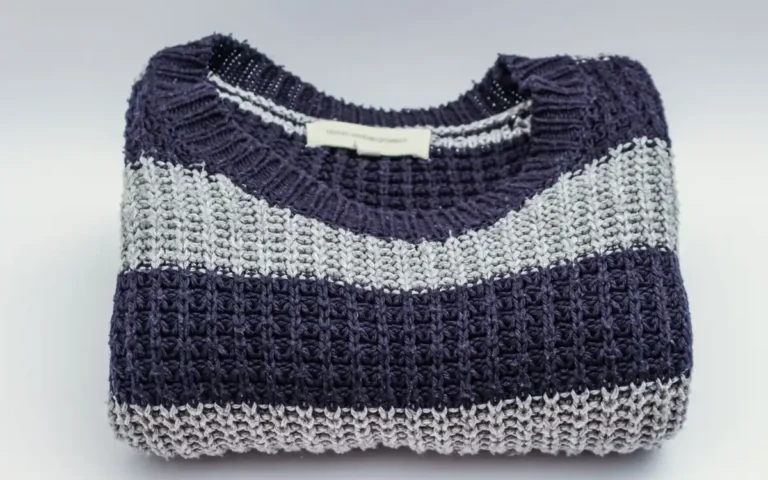
- Fold knits and store them flat. A sweater left on a hanger for five months grows shoulders it didn’t have.
- Use cotton or canvas storage bags, or lidded bins, for folded clothes. Take off the thin plastic from the dry cleaner: it traps moisture and isn’t meant for long storage.
- Roll linen loosely or fold it with as few creases as you can. Sharp folds set over the winter and take real work to press out.
- Vacuum bags are fine for bedding and synthetic fill. We don’t use them for wool or down, which come out flat and take a long time to recover.
Label the bins. In April you won’t remember which one has the shorts.
Bring the winter things out
Coats. Empty the pockets, then hang each coat by an open window or outside in the shade for an afternoon. Go over wool coats with a clothes brush, working downward. Read the care label before washing anything: many wool coats are dry clean only, and this isn’t the place to test that.
Sweaters. Hold each one up to a window and look for small holes. Take off pilling with a sweater comb or a fabric shaver, using light strokes.
Boots. Wipe them down, condition the leather and look at the heels. If they need a cobbler, go now, before the first cold week sends everyone else.
Scarves, hats and gloves. These sit against skin and hair all winter and almost never get washed. Wash them now, following the label.
Check for moths while the closet is half empty
This is the one time of year you can see the floor and the back corners, so use it.
- Vacuum the floor, the corners and the edges of every shelf, then empty the vacuum outside.
- Wipe the shelves and the rail with a damp cloth and let them dry.
- Replace any pheromone moth traps. Most last about three months, and the box will say. They catch only the males, so they tell you whether you have moths. They don’t get rid of them.
- Sand cedar blocks lightly to bring the smell back. Cedar discourages moths. It doesn’t kill them.
If a trap is full or you find holes, our guide on getting rid of clothes moths covers what to do next.
Let one thing go
Before a summer piece goes in the bin, ask whether it was worn this year. A shirt you skipped for five months won’t become a favorite in storage. We keep a donation bag by the closet door through November and drop it off when the changeover is done.